How to winterize outdoor plumbing in Rocklin
Rocklin's first hard freeze usually hits in late November or early December. Here's how to winterize outdoor plumbing in Rocklin before temperatures drop below 32°F.
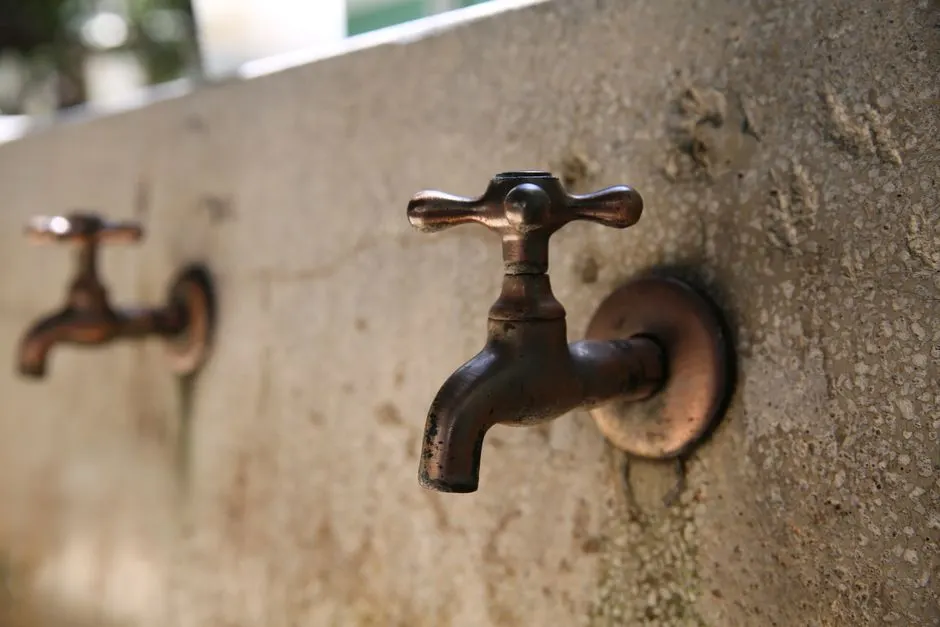
Winterize outdoor plumbing in Rocklin by shutting off the interior valve that feeds every hose bib, draining the line through the exterior spigot, and disconnecting hoses before the first hard freeze - which in Rocklin typically arrives in late November or early December. If you do nothing else, do those three steps: they prevent the burst pipe behind your siding that costs $400 to $1,200 to repair. This guide walks through the full process for hose bibs, irrigation lines, pool equipment, and exposed pipes, plus the temperatures and timing that actually matter in Placer County.
Outdoor plumbing winterization in Rocklin is the seasonal process of removing standing water from exterior fixtures and pipes so that a hard freeze cannot expand it and crack the line. Rocklin sits in USDA zone 9b, so our winters are mild compared to the Sierra - but we still log 15 to 25 nights below 32°F between November and February, and that is more than enough to split a copper pipe or crack a PVC irrigation manifold.
When to winterize outdoor plumbing in Rocklin
Winterize pipes in Rocklin by the second week of November, before the first overnight low drops below 32°F. The National Weather Service records Rocklin's first freeze most years between November 15 and December 5. Waiting until the forecast shows 28°F gives you one or two evenings to work with - not enough if a valve is stuck or a hose bib is already weeping.
Here is the practical calendar we use with our own customers:
- Late October: disconnect garden hoses, drain them, and store them indoors. A hose left attached traps water in the spigot and is the single most common cause of a cracked hose bib.
- First two weeks of November: shut off and drain hose bibs, blow out irrigation lines, and insulate any exposed pipe in the garage or crawlspace.
- Late November through February: monitor forecasts. On any night projected below 28°F, drip interior faucets on exterior walls and open cabinet doors under sinks.
- March: reverse the process. Reopen the interior shutoff, test each spigot, and restart irrigation in stages.
If you are a snowbird or you travel through the holidays, winterize before you leave - not the morning of your flight. A pipe that bursts on December 23 while you are in Arizona can run water into your walls for a week before anyone notices.
What happens if pipes freeze in Rocklin
When water freezes inside a pipe, it expands about 9 percent in volume and pushes outward at roughly 2,000 psi - enough to split copper, crack PVC, and rupture the rubber diaphragm inside a backflow preventer. The split itself is not the expensive part. The expensive part is the water that escapes once the ice thaws and the line pressurizes again.
In Rocklin, the three freeze-damage calls we run most often are:
- Hose bib split behind the siding. The pipe cracks inside the wall, and you do not see it until you turn the spigot on in spring and water pours into the wall cavity. Typical repair runs $350 to $900 depending on how much drywall and stucco has to come out.
- Irrigation manifold and backflow assembly. The brass backflow device above ground is the most freeze-vulnerable piece of plumbing on most Rocklin properties. Replacement parts run $150 to $400, and many cities require annual backflow testing anyway.
- Exposed pipe in an unheated garage or crawlspace. Older Rocklin homes - especially the 1970s and 1980s builds near Sunset Whitney and the older pockets off Pacific Street - often have supply lines running through unconditioned space. Those pipes freeze first.
If a pipe does freeze but has not yet split, you can sometimes thaw it safely with a hair dryer or a space heater aimed at the affected section. Never use an open flame, and never pour boiling water on a frozen exterior fixture - the thermal shock cracks it. If you see water running where it should not, shut off the main and call us. Our emergency plumbing rocklin CA team handles freeze damage around the clock through the winter.
Step-by-step: how to winterize outdoor plumbing in Rocklin CA
How to winterize outdoor plumbing in Rocklin CA comes down to five steps, and the whole job takes most homeowners 60 to 90 minutes on a single-story house. You will need a flathead screwdriver, an adjustable wrench, a small air compressor or a shop vac with a blower port, and foam faucet covers if you want a second layer of protection.
Step 1: Find the interior shutoff for each hose bib
Walk the interior wall behind every exterior spigot. Most Rocklin homes have a dedicated shutoff valve - usually a gate or ball valve - within a few feet of where the pipe exits the house. If you cannot find one, that is a real problem and worth fixing before winter. A hose bib with no interior shutoff can only be protected by wrapping it, which is a much weaker defense.
Step 2: Shut the valve and open the exterior spigot
Close the interior valve, then go outside and open the hose bib fully. Water trapped between the two valves will drain out. Leave the exterior spigot open through the winter - that gives any residual water room to expand without cracking the fixture.
Step 3: Blow out the line
For a short hose bib run, gravity draining is usually enough. For longer runs - anything over about 10 feet, or any line that dips below the valve - use a small compressor set to 30 to 50 psi on the exterior spigot to push the remaining water out. You will hear it sputter, then go quiet. That is your signal the line is clear.
Step 4: Insulate and cover
Fit a foam faucet cover over each hose bib. On exposed pipe in the garage or crawlspace, wrap with foam pipe insulation - the split-tube kind with adhesive edges. It costs about $2 per six-foot section at any Rocklin hardware store and takes five minutes to install.
Step 5: Disconnect and store hoses
Drain every garden hose, coil it, and store it in the garage. A hose left connected to a spigot traps water against the fixture and defeats everything you just did.
Winterize outdoor faucets in Rocklin California
Winterize outdoor faucets in Rocklin California with the same shutoff-drain-cover sequence, but pay attention to two Rocklin-specific details. First, many homes here have a frost-free sillcock rather than a standard hose bib. Frost-free spigots are better, but they still fail if a hose is left attached - the water cannot drain back into the heated part of the wall. Second, if you have a hose bib on a south-facing wall that gets direct afternoon sun, do not assume it is safe. Sun warms the fixture during the day and the temperature swing at night is what cracks it.
If a spigot drips after you shut the interior valve, the valve itself is passing. That is a repair, not a winterization step. We replace failed shutoffs and weeping hose bibs all fall - most jobs are done in under two hours. If you are already having us out for something else, like plumbing repairs rocklin CA, we can usually handle the spigot on the same visit.
Sprinkler and irrigation line winterization
Irrigation lines need to be blown out with compressed air before the first freeze, not just drained. Water sits in the low spots of every zone, and those low spots are exactly where PVC laterals crack. The process:
- Shut off the irrigation water supply at the backflow preventer or the dedicated irrigation valve.
- Connect a compressor - most residential systems need 50 to 80 CFM at 40 to 50 psi - to the blow-out port or the first head on each zone.
- Run each zone for 30 to 60 seconds until only air comes out of the heads.
- Open the test cocks on the backflow assembly and leave them open through the winter.
- Insulate the backflow device with a cover or foam wrap.
If you do not own a compressor, most Rocklin landscape companies charge $75 to $150 to blow out a residential system, and it takes them about 30 minutes. If your backflow assembly is due for its annual test, we handle backflow prevention and testing rocklin CA and can blow out the system on the same trip.
Freeze protection for plumbing in Rocklin
Freeze protection for plumbing in Rocklin is mostly about the pipes you cannot see. The hose bibs and irrigation lines are obvious. The supply line running through an unheated garage, the pipe in the crawlspace under a 1978 build, and the exterior wall behind the kitchen sink are the ones that actually burst.
Three habits that make a real difference on cold nights:
- Drip the faucets. On any night forecast below 28°F, open the kitchen and bathroom faucets on exterior walls to a slow pencil-lead stream. Moving water takes far longer to freeze than standing water.
- Open cabinet doors. Leave the doors under sinks on exterior walls open so warm interior air reaches the pipes.
- Keep the thermostat steady. Do not drop the overnight setpoint below 60°F during a cold snap. The few dollars you save on gas are nothing compared to a burst pipe.
If you have had a freeze-related leak before, or your home has a history of it, a plumber can trace the vulnerable runs and either insulate them properly or reroute them. We do this often for homeowners who have already dealt with one burst pipe and do not want a second. Our residential plumbing rocklin CA team handles insulation, rerouting, and pipe replacement on the same visit.
Common winterization mistakes
The mistakes we see most often in Rocklin are not exotic. They are the same four, every year.
- Leaving the hose connected. This is the number one cause of cracked hose bibs in our service area. Disconnect it in October, not December.
- Shutting off the interior valve but not opening the exterior spigot. Water trapped between the two valves has nowhere to expand. Open the spigot and leave it open.
- Skipping the irrigation blow-out because the forecast looks mild. Rocklin gets a hard freeze most years. A $100 blow-out beats a $600 PVC lateral repair.
- Wrapping a pipe that is already cracked. Insulation does not fix a split. If you see moisture or a bulge, call a plumber before you wrap it.
One more: do not use heat tape on a pipe you have not inspected. Heat tape on a corroded copper line is a fire risk, and we have seen it happen. Inspect first, then insulate.
When to call a professional
Call a plumber if you cannot find the interior shutoff for a hose bib, if a spigot drips after you close the valve, if you have had a freeze-related leak in the past, or if any exposed pipe in the garage or crawlspace shows corrosion, bulging, or moisture. Those are all signs the line is already compromised and winterization alone will not save it.
Rocklin Granite Flow Plumbing handles winterization, freeze-damage repair, and the pipe work that prevents both. We are a state-licensed plumbing contractor serving Rocklin and the surrounding Placer County area, and we quote the job upfront before we start. If you want a second set of eyes on your outdoor plumbing before the first freeze, we can walk the property with you and tell you exactly what needs attention.
Frequently Asked Questions
How do I winterize my outdoor plumbing in Rocklin?
Shut off the interior valve feeding each hose bib, open the exterior spigot to drain the line, blow out any long runs with a compressor, and disconnect and store all hoses. For irrigation, blow out each zone with 40 to 50 psi of air and leave the backflow test cocks open. The full job takes 60 to 90 minutes on a typical Rocklin home.
When should I winterize my pipes in Rocklin CA?
By the second week of November. Rocklin's first freeze typically lands between November 15 and December 5, and you want the work done before the forecast shows 28°F. If you travel over the holidays, winterize before you leave, not the morning of your trip.
What happens if pipes freeze in Rocklin?
Water expands about 9 percent when it freezes and pushes outward at roughly 2,000 psi, which splits copper and cracks PVC. The split itself is cheap to fix - the water damage after it thaws is not. Typical freeze-damage repairs in Rocklin run $350 to $1,200 depending on how much wall or siding has to be opened.
Do I need to winterize if Rocklin winters are mild?
Yes. Rocklin sits in USDA zone 9b, but we still get 15 to 25 nights below 32°F each winter. That is more than enough to crack a hose bib or split a PVC irrigation lateral. The 90 minutes you spend in November prevents the $400 to $1,200 repair in January.
How much does outdoor plumbing winterization cost in Rocklin?
DIY winterization costs about $20 to $40 in foam covers and pipe insulation. Hiring it out runs $150 to $350 for a typical home, including hose bibs and irrigation blow-out. Backflow testing, if it is due, adds $75 to $150.
Get help with plumbing in Rocklin
If you would rather not crawl through the garage looking for shutoff valves, we will handle the whole winterization for you - hose bibs, irrigation, exposed pipe, and a quick inspection of anything that looks marginal. Call Rocklin Granite Flow Plumbing at (279) 790-0111 and we will get you on the schedule before the first freeze.